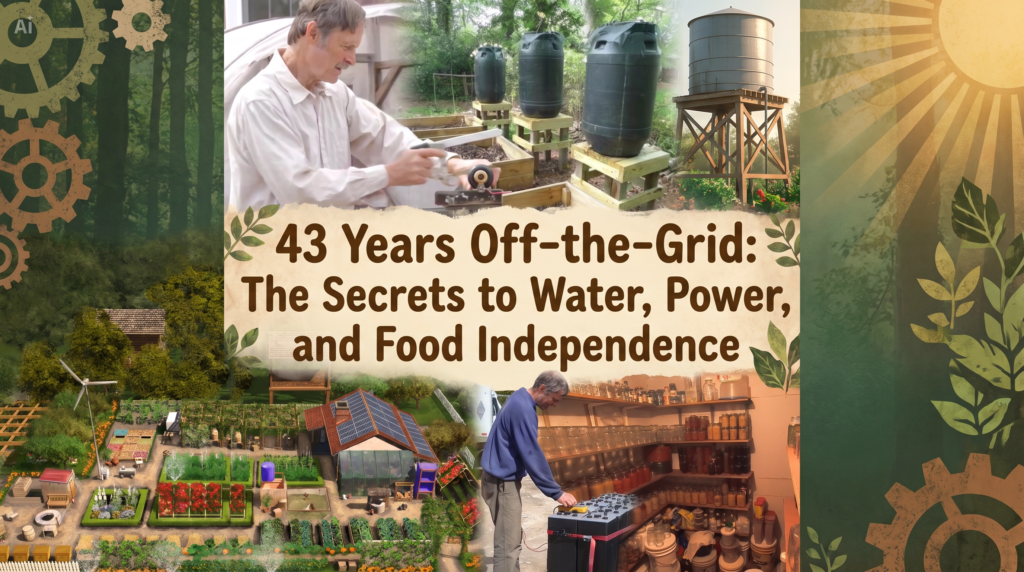
Modern life relies heavily on complex systems, but true resilience starts with simple, home-based capability. When unexpected grid interruptions occur, having a clear plan for power security turns potential panic into calm capability. Discover how thousands of self-reliant households are taking control of their basic utility needs without relying on external infrastructure.
- Gain actionable insight into long-term emergency power strategies that protect your household during unexpected grid disruptions.
- Learn core principles of self-reliance that foster confidence and reduce dependency on external supply chains.
- Discover practical approaches to home energy security that enhance family resilience without requiring technical expertise.
- Understand the critical foundations of emergency preparedness that help safeguard your essential living requirements.
- Develop a practical preparedness mindset that replaces uncertainty with proactive, reliable solutions.
To fully understand the concepts and techniques presented, we recommend watching the complete presentation above from start to finish. If you’re short on time, you can continue below to review the essential information and discover how the system works.
Additional Resources & Background Research
Why Preparedness Matters in an Uncertain World
In an increasingly interconnected modern society, daily existence depends on complex, centralized networks for power, food security, and communication. While these utilities offer undeniable convenience during normal conditions, they can also leave households vulnerable when disruptions occur. Extreme weather events, aging infrastructure, and unexpected supply chain interruptions regularly highlight the fragility of conventional systems.
True emergency preparedness is not about predicting every potential crisis; rather, it is about building inherent resilience. By developing a comprehensive preparedness mindset, individuals transition from passive reliance to active self-reliance. Establishing reliable household backups ensures that regardless of external conditions, basic needs such as lighting, climate control, and refrigeration remain secure. Investing time and attention in practical readiness yields lasting peace of mind, replacing uncertainty with quiet confidence.
Common Mistakes That Leave Families Vulnerable
When approaching emergency readiness, many well-intentioned individuals fall into common pitfalls that can diminish their overall resilience. Identifying these blind spots is an essential first step toward building a robust strategy.
- Over-reliance on a single backup method: Relying exclusively on one supply line or single fuel type creates a single point of failure during prolonged interruptions.
- Ignoring energy requirements: Failing to calculate basic electrical needs leads to under-equipped setups that cannot power critical appliances.
- Neglecting practical practice: Acquiring equipment without testing its operational flow creates unnecessary confusion during an actual emergency.
- Focusing on short-term fixes: Preparing solely for 48-hour scenarios leaves households unprepared for extended grid instability or broader system downtime.
Avoiding these common errors requires a balanced strategy built on redundancy, thorough planning, and reliable, adaptable tools.
The Foundations of Self-Reliance
Building genuine self-reliance requires a systematic approach focused on fundamental necessity. The primary pillars of household security include clean water storage, sustainable food security, safe shelter, heating, and dependable backup power. Each pillar reinforces the others, creating a complete shield against unexpected environmental or infrastructural shocks.
Power security serves as a vital enabler for all other emergency systems. Electricity runs municipal water pumps, powers medical devices, preserves stored food, and enables communication with the outside world. Developing a modular, independent power solution allows prepper households to maintain baseline security without relying on noisy, fuel-dependent machinery that may become unusable during widespread fuel shortages.
Practical Ways to Increase Everyday Readiness
Achieving long-term independence is an incremental process built through manageable, deliberate steps. Strengthening your home’s readiness does not require radical changes overnight; instead, focus on implementing straightforward systems that continuously build capability.
- Audit Household Energy Consumption: Identify critical devices—such as refrigerators, water filtration units, and communication equipment—and determine their basic operating requirements.
- Establish Redundant Systems: Maintain alternative solutions for essential needs, combining stored solar reserves, battery banks, and physical backup equipment.
- Organize Emergency Protocols: Ensure all family members understand where essential equipment is located and how primary backup systems operate.
- Develop Practical Skills: Focus on learning core off-grid living and homesteading techniques, such as basic circuit maintenance, water purification, and resource conservation.
By taking these incremental steps, households cultivate a practical routine that turns self-reliance into a natural component of daily life.
Why Small Preparations Create Big Advantages
The value of preparedness lies in cumulative effort. A modest investment in water storage, basic food supplies, and independent backup power dramatically shifts a family’s circumstance during an emergency. When widespread disruptions occur, unprepared households face immediate stress and resource competition, while prepared individuals operate from a foundation of calm security.
Small, thoughtful preparations eliminate panic. Having ready access to alternative energy generation means critical appliances remain functional, food supplies stay preserved, and families remain safe inside their homes. These practical measures convert potential emergencies into manageable events, protecting both safety and quality of life.
Building Confidence Through Preparation
Ultimately, self-reliance is as much about psychological strength as physical readiness. Understanding that your household possesses the tools, knowledge, and systems to navigate unexpected challenges fosters genuine resilience. Moving away from dependency toward capability provides a profound sense of independence and security.
Equipping your home with dependable, proven backup power solutions is one of the most effective steps you can take toward total emergency readiness. As you continue refining your survival planning, exploring comprehensive, self-sustaining strategies ensures your family remains safe, comfortable, and independent no matter what lies ahead.