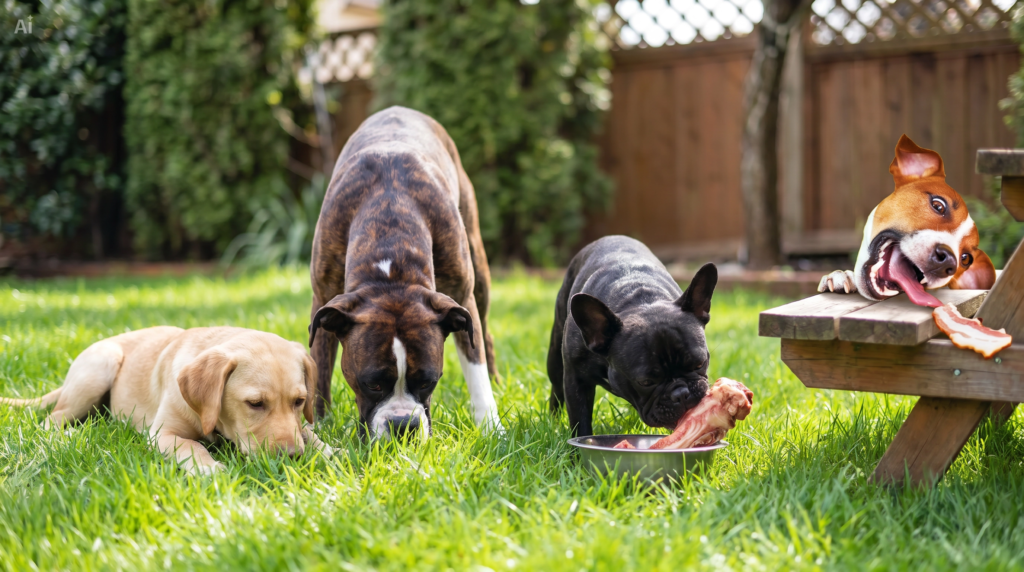
It is a scene almost every dog owner has witnessed: you are out for a walk, and suddenly your dog turns into a temporary lawnmower, eagerly munching on mouthfuls of grass. For years, the common wisdom has been simple—dogs eat grass to settle an upset stomach, or it’s just a quirky habit. But what if that grass-eating habit isn’t just an innocent behavior? What if it’s actually a distress signal?
Recent breakthroughs in veterinary health are challenging everything we thought we knew about our dogs’ digestive habits, revealing a hidden danger that could be quietly draining your pet’s health and vitality day by day.
The Shocking Truth Behind Grass Eating
Most pet owners assume that grass-eating is tied strictly to temporary indigestion. However, pioneering research conducted by leading experts in veterinary health from prestigious institutions—including Princeton University, Stanford University, and UC Davis—suggests a much deeper issue.
When your dog regularly consumes grass, or even worse, attempts to eat the waste of other animals, it is often a major warning sign that something is profoundly wrong deep inside their body.
This behavior is frequently driven by a hidden nutritional deficiency. Even if you are feeding your dog premium, expensive kibble, they might still be starving for essential micronutrients. This gap in their diet triggers an evolutionary survival instinct, forcing them to seek out raw vegetation in a desperate attempt to find what their body lacks.
The Invisible Enemy in Commercial Dog Food
The root cause of this deficiency often traces back to the very food we put in their bowls every day. Many commercial dog foods are highly processed at extreme temperatures, a method that inadvertently destroys vital nutrients, enzymes, and live biotics.
This lack of deep cellular nutrition is considered by many experts to be a leading cause of chronic health issues in dogs of all ages and breeds. Because every dog is unique, this nutritional void manifests differently across individual pets:
- Skin and Coat Issues: Triggering intense allergic flare-ups, constant scratching, rashes, and patchy skin where fur begins to fall out.
- Joint Pain and Stiffness: Causing joint discomfort to rage, leading to a noticeable slowdown in your dog’s mobility and playfulness.
- Behavioral Shifts: Sucking away their natural energy, making them appear unusually lethargic, anxious, or even unexpectedly aggressive.
- Digestive Decline: Slowly eroding their gut health over time, resulting in frequent vomiting, gas, or inconsistent stools.
Left unchecked, the long-term consequence is tragically always the same: our beloved companions end up living fewer healthy, vibrant years than they truly deserve.
The “Grass & Bacon” Approach: A Simple, Natural Solution
Fortunately, a nutritional deficiency does not require an aggressive chemical intervention. The solution often relies on leveraging what your dog naturally craves.
Think about the driving force behind your dog’s appetite when they smell juicy slabs of uncooked bacon or when they instinctively reach for the grass outside. By pairing natural, science-backed herbs and raw green nutrients with savory, irresistible flavors that dogs love, you can bridge this nutritional gap effortlessly right at mealtime.
This approach works effectively regardless of whether your puppy is 2 years old, a mature adult at 5, or a senior companion at 14. By providing the body with targeted, scientifically validated natural botanicals, you can help soothe skin irritation, protect vulnerable joints, and restore your dog’s digestion from the inside out.
Unlock the Secret Formula
Standard kibble and generic store-bought supplements often miss the exact ratios of live nutrients needed to reverse this underlying deficiency. To truly revitalize your pet’s health, you need to understand the precise blend of earth-grown ingredients that modern veterinary science now supports.
Ready to protect your dog from the hidden dangers of nutritional gaps?