
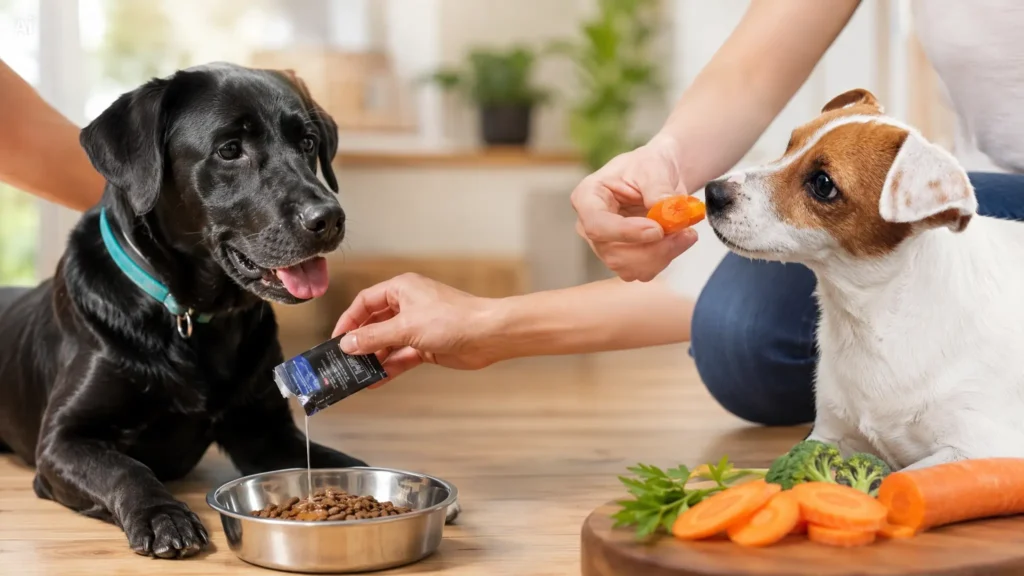
Look at the food in your dog’s bowl. Whether the package features pictures of fresh meat, vegetables, or carefully selected ingredients, the finished kibble often looks remarkably similar: small, dry, brown pieces.
That raises an interesting question. How much does the way dog food is processed matter—not just the ingredients listed on the package?
One part of this issue that deserves a closer look is a manufacturing process called extrusion. It is central to the explanation presented in a detailed discussion about commercial dog food, processing temperatures, and what may happen to certain nutrients during production.
The conversation also raises another concern that can be easy for owners to overlook: changes in a dog’s weight and body condition, even when the dog still appears perfectly happy and active.
What Happens During the Processing of Dog Food?
The presentation focuses on extrusion—the process the speaker describes as using high temperatures to shape and preserve dry pet food.
It also introduces a less familiar term: Advanced Glycation End Products (AGEs). The speaker discusses these compounds as substances that can form during high-temperature cooking and raises questions about their presence in processed pet food.
Another part of the discussion moves beyond the appearance of kibble to a subject many owners may not notice: the relationship between a dog’s body condition, weight gain, and long-term wellbeing.
These are the ideas behind the presentation’s central question: should pet owners pay closer attention to how their dog’s food is made, as well as what appears on its ingredient label?
Inside the Full Presentation
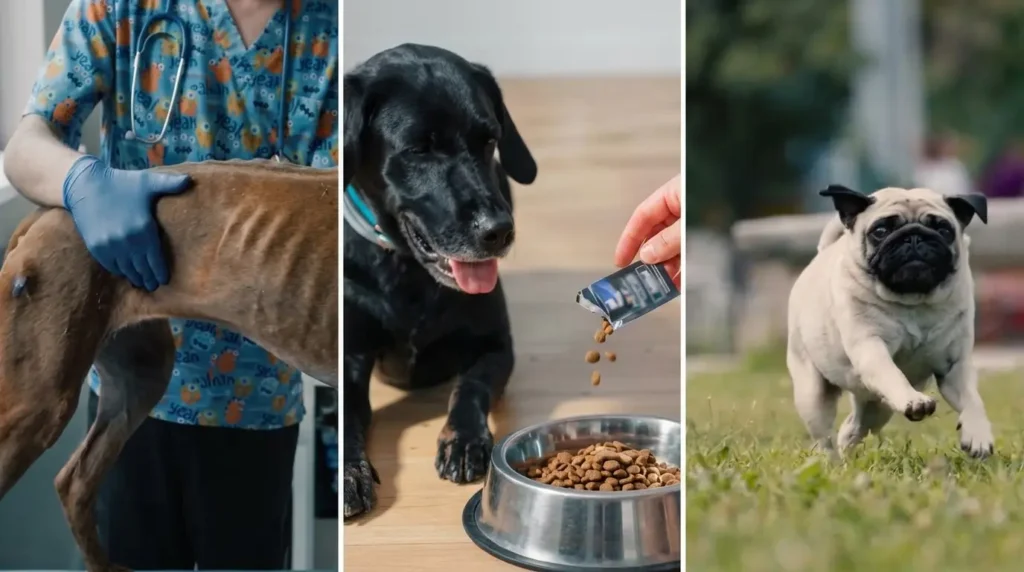
The original presentation explores several related topics:
- Why commercial dry dog food is commonly brown and how extrusion is described in the manufacturing process.
- What Advanced Glycation End Products (AGEs) are and why the speaker believes they deserve attention in pet nutrition.
- The difference between ingredients listed on a package and the processing that takes place before the food reaches your dog’s bowl.
- The often-overlooked issue of excess weight and the so-called “fat pet gap.”
- A proposed nutritional approach inspired by the dietary patterns of dogs’ wild ancestors.
Take a Closer Look
If you’ve ever wondered whether the appearance and processing of your dog’s food tell the whole story, the full presentation goes deeper into these questions and explains the approach being discussed.