
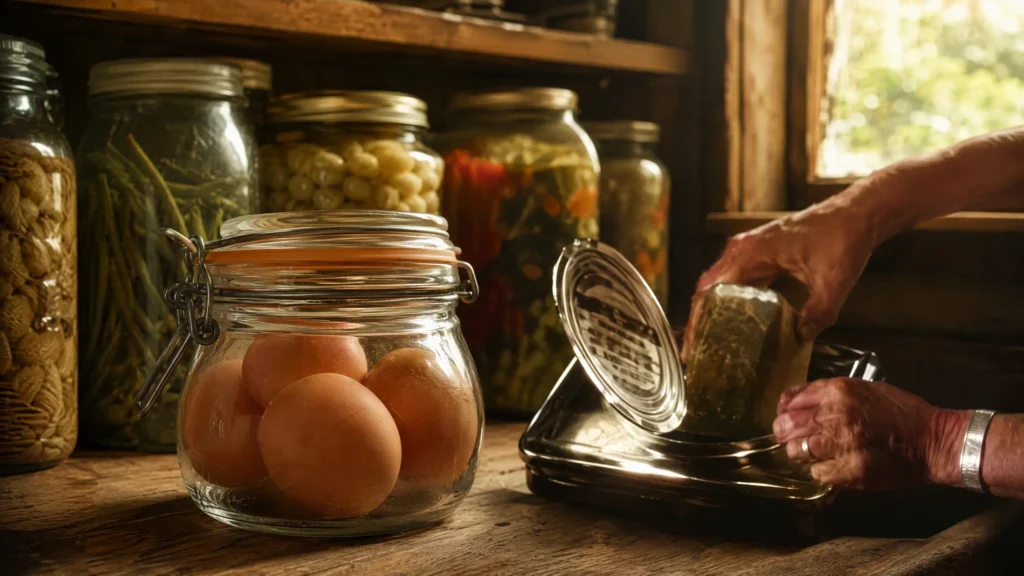
When electricity goes out or stores become difficult to reach, having money available does not necessarily mean food will be easy to obtain. A well-stocked pantry can provide another layer of preparedness, especially when it contains foods that can be stored safely without depending on continuous refrigeration.
Before refrigerators became common household appliances, families relied on a wide range of methods to preserve food. They dried ingredients, stored grains, prepared durable traditional foods, and used techniques passed down through generations. These practices helped households make better use of seasonal harvests and prepare for times when fresh supplies were limited.
A presentation about historical survival foods revisits these older traditions, including a military ration concept developed during the Cold War and food-preservation methods associated with earlier periods of hardship. The central idea is simple: preparedness is not only about how much food you buy, but also about what you store and how you preserve it.
The Forgotten Knowledge Behind a Resilient Pantry
One of the most interesting ideas in the presentation is that useful survival foods do not always need to be expensive, highly processed commercial emergency meals. The speaker highlights traditional recipes and preservation methods that were developed when refrigeration was unavailable or uncommon.
The presentation also introduces the idea of a Cold War-era “Doomsday Ration” and discusses bulgur as an ingredient used in several long-lasting food preparations. These examples lead to a broader exploration of how food choices, preparation techniques, and storage practices can contribute to household preparedness.
Actual shelf life depends on the recipe, processing, packaging, storage conditions, and food safety practices.
What the Full Presentation Explores
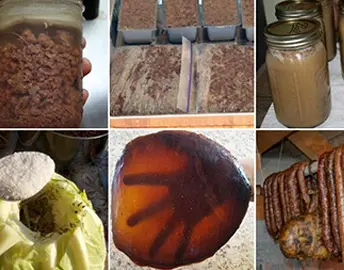
- The historical story behind the proposed Cold War-era Doomsday Ration.
- Traditional foods associated with the Great Depression and other periods of hardship.
- Long-lasting recipes made with grains, meat, dairy, and other ingredients.
- Food-preservation techniques intended to reduce dependence on refrigeration.
- Practical ideas for building a more varied emergency food pantry.
Explore the History and Methods
The full presentation goes deeper into these historical food traditions, introduces examples from the Lost Superfoods collection, and explains how the speaker approaches long-term food preparedness.