

Electricity has become one of those expenses that is easy to accept and surprisingly difficult to control. You use the air conditioner, refrigerator, lights and other appliances because you need them — then the bill arrives and you simply pay it.
But what if the bigger question isn’t only how much electricity you consume, but whether there is another way to approach how electricity is generated and used at home?
The presentation behind this idea follows a story that begins with an unusually low electric bill and leads back to an old Tesla-related electrical design. According to the presentation, the concept involves a compact coil design and a way of configuring it to produce a much greater electrical output than most people would expect from such a small setup.
The Curious Part Is How a Small Device Could Be Used
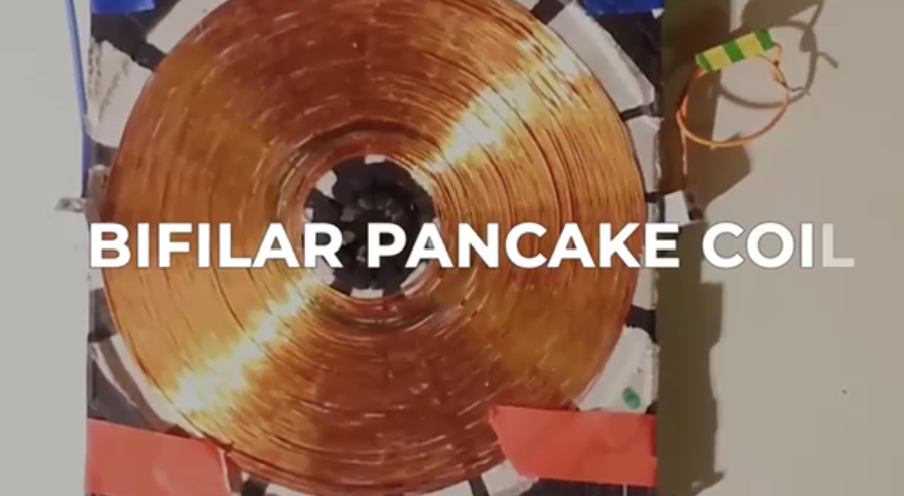
The VSL focuses on the bifilar pancake coil, a design attributed to Nikola Tesla and associated with a 1894 patent. It then explores how this older electrical concept is presented as the basis for a modern, small-scale energy system.
What’s particularly interesting is that the presentation doesn’t stop with the historical story. It goes on to discuss how inexpensive modern components could potentially be combined with the design, and how the resulting system is intended to be used for household electricity and emergency power.
What the Full Presentation Explores
- The story behind Tesla’s lesser-known electrical work and the invention described in the presentation
- How the bifilar coil is claimed to work within the proposed energy system
- Why the presenter says modern components make the concept easier to build today
- How the system is presented as a possible option for household and emergency electricity
- The blueprints, components and step-by-step approach described later in the presentation
A Closer Look at the Full Explanation
There is considerably more to the story than the basic idea of a small coil and lower electricity costs. The full presentation goes into the proposed design, how the system is assembled, and the reasoning behind the claimed energy output.
If you want to understand the complete explanation rather than just the historical background, the presentation is where the rest of the process is laid out.