
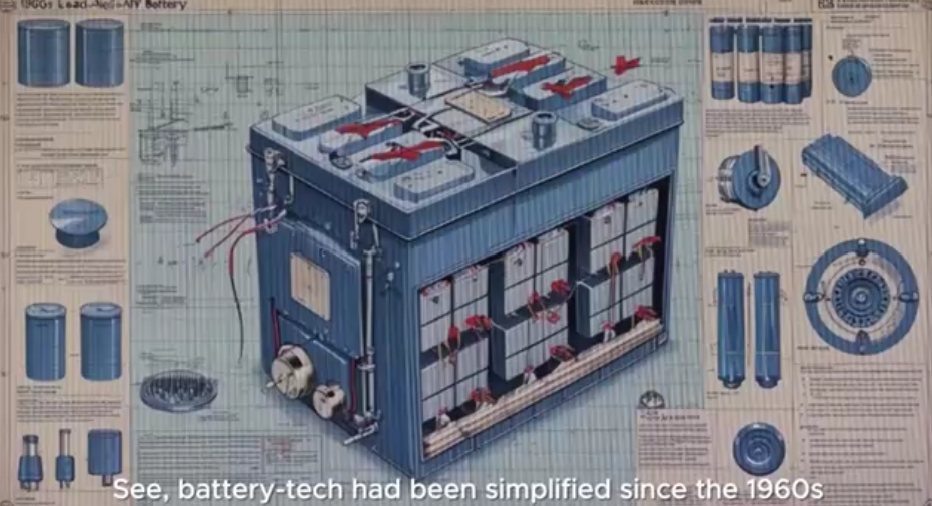
For most people, a battery that stops holding a charge has one obvious destination: the trash, a recycling bin, or a replacement purchase.
But what if there were another way to look at those old batteries?
The idea explored in this presentation starts with a surprisingly simple question: instead of constantly buying new batteries whenever an old one stops working, could certain batteries be restored and put to work again?
The story behind that idea is unusual. It begins with a family caught in the aftermath of Hurricane Helene, when conventional backup options proved far less useful than expected. In the middle of that experience, an old Vietnam-era foot locker reportedly revealed a set of notes connected to a little-known battery technique.
According to the presentation, the technique involved two related ideas: restoring depleted batteries and then combining their available power in ways that could create portable energy sources. The presenter calls the second part “watt stacking.”
The Part That Often Gets Overlooked
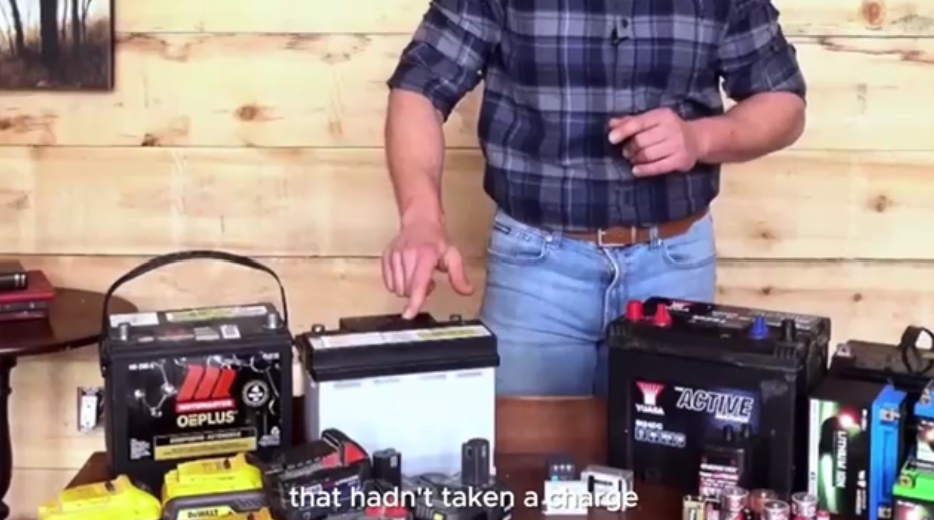
Most conversations about energy independence focus on producing electricity — solar panels, generators, or other dedicated equipment.
This presentation takes a different starting point: the batteries you may already have.
It explores whether older car, boat, power-tool, and other batteries that appear unusable can have another practical use, and how multiple restored batteries might be connected for different applications.
What You’ll See in the Full Presentation
- The unusual Vietnam-era story behind the battery technique
- Why the presenter believes some apparently dead batteries may be recoverable
- How “watt stacking” is described and what it is intended to accomplish
- The real-world situations where the method is presented as useful
- How the system is supposed to turn old batteries into portable sources of stored power
The full presentation goes much further into the story, the process, and the examples behind this approach to battery reuse and backup power. Continue to the full presentation here.
There’s a lot more to the method than simply getting an old battery to accept a charge again.
If you want to understand how the pieces are supposed to fit together, the full presentation is where the explanation continues.